Pull up Summit Park listings today, then pull them up again in three months, and the median price you see may have moved by double digits. Not because the neighborhood got better or worse. Not because anyone overpaid or stole a deal. It moved because Summit Park sells so few homes in a given quarter that a handful of closings can swing the whole number.
That matters if you are comparing Summit Park to Jeremy Ranch or Pinebrook and treating the median as a scorecard. It is not one. It is closer to a small sample doing what small samples do, and the Park City Board of Realtors has been documenting the pattern in its own quarterly reports for years.
Same Corridor, Same Price Point, Different Rules
Summit Park, Jeremy Ranch, and Pinebrook all sit along the same stretch of Interstate 80 west of Park City, all draw from the same commuter base heading toward Salt Lake City, and all land in overlapping price territory. On paper, they should behave like one market.
They do not. In the twelve months ending in the third quarter of 2024, Jeremy Ranch and Pinebrook carried nearly identical medians, both around $1.8 million, and yet their sales activity told opposite stories. Pinebrook's unit sales rose 14 percent. Jeremy Ranch's rose 87 percent. Same price band, same corridor, same general buyer pool, and a 73-point gap in how fast each one was moving.
The Board's own writeup called this out directly, noting that the wide variance between contiguous neighborhoods is one of the harder things for buyers to explain from the outside. Summit Park showed the same pattern in that period. Its median sale price rose 23 percent over those twelve months while Jeremy Ranch, sitting right next to it, rose only 6 percent.
A few reasons this happens in this specific stretch of the basin:
- Each neighborhood closes a relatively small number of homes in any given window, so the mix of what happened to sell (a renovated four-bedroom versus a dated three-bedroom on a smaller lot) can move the median more than actual market direction does.
- Jeremy Ranch carries golf course access and HOA-managed infrastructure that Pinebrook and Summit Park do not, which changes who is shopping there and how quickly they act.
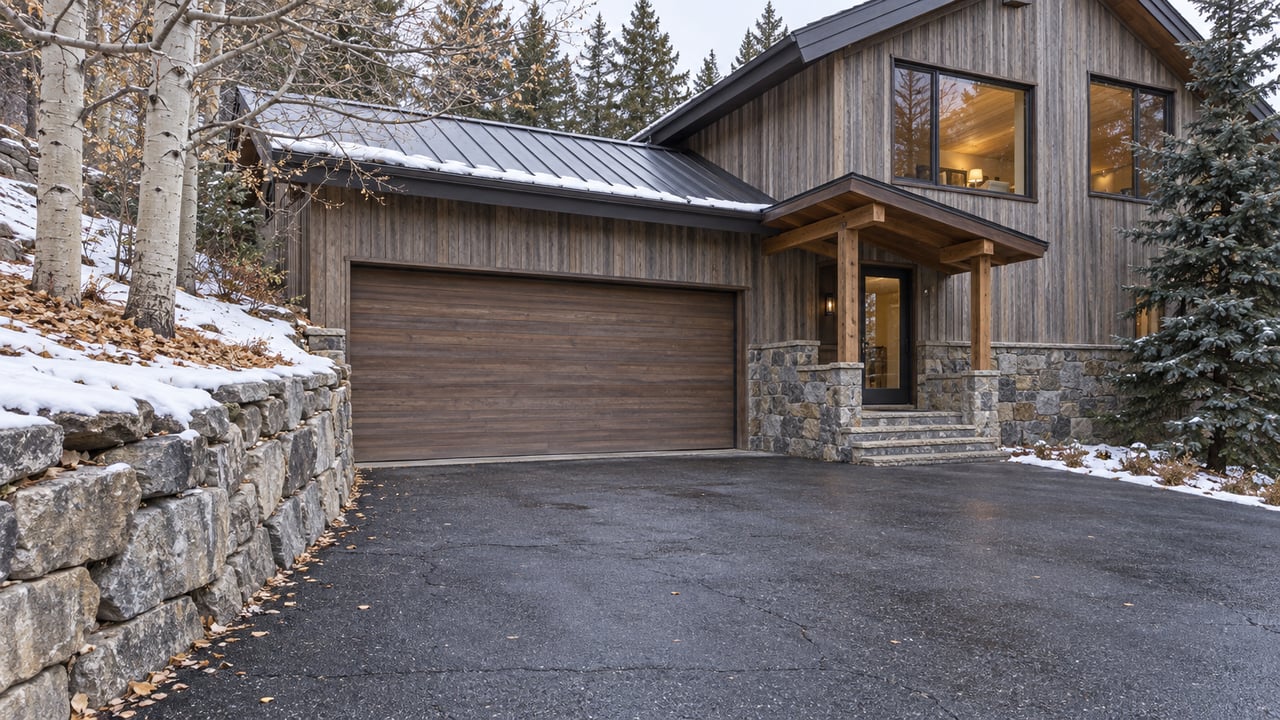
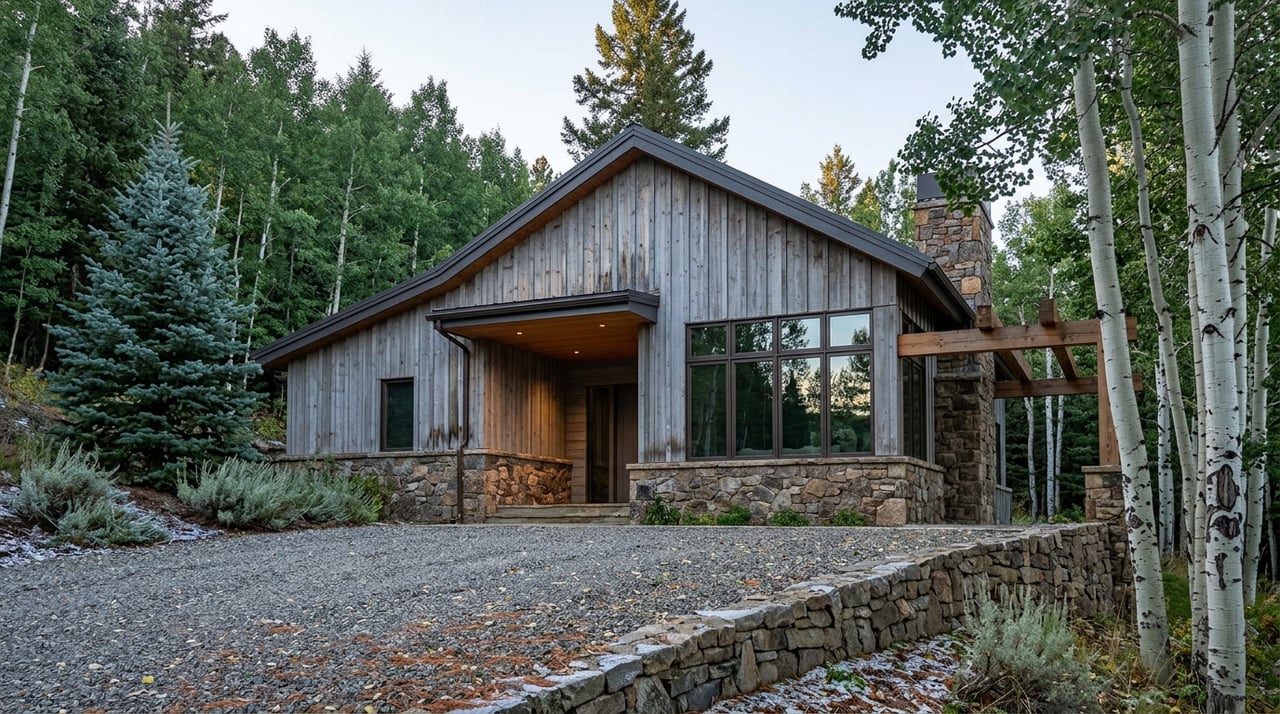
- Summit Park's housing stock is almost entirely single-family homes on wooded, sometimes steep lots, with build years stretching from the 1960s cabin era through recent custom construction. That range in condition alone can push the median per-square-foot price from the low $200s to over $700 within the same neighborhood in the same season.
Why a Few Dozen Sales a Year Can Look Like a Trend
Summit Park closed 34 single-family sales across all of 2025. That is a full calendar year, not a quarter. When a neighborhood's entire annual volume is in the same range as what a busier basin community might close in one quarter, a swing of 15 or 20 percent in the median does not require a shift in buyer sentiment. It just requires three or four higher-end or lower-end closings landing in the same reporting window.
This is different from how the resort-core neighborhoods behave. Promontory and Canyons Village post enough volume that their medians smooth out over a quarter. Summit Park does not have that luxury, and neither does Pinebrook when its own count dips.
None of this means Summit Park is a thin or risky market. Trailing three years of closed sales in the neighborhood put the median sold price at $1,275,000, with a list-to-sale ratio in the mid-90s and homes typically taking around three months from listing to close. That is a functioning, liquid market. It is just a small enough one that a single quarter's headline number should be read as a data point, not a verdict.
The lesson here is not that Summit Park's numbers are unreliable. It is that a median calculated from thirty homes needs a longer window before it means anything.
The Cash Buyer Shield and Where It Ends
Across the Wasatch Back broadly, more than half of home purchases in the year ending mid-2025 closed without a mortgage at all, according to the Board of Realtors. That statistic explains a lot about why interest rate headlines barely register in Park City's luxury segment. If you are not financing a $6 million home in Promontory, the difference between a 6 percent and 7 percent rate is irrelevant to your decision.
Summit Park sits in a different position. The Board's first quarter 2026 report drew that line explicitly, noting that cash buyers dominate the luxury tier while financing costs continue to constrain activity in the basin's more affordable stretches, the exact price band where Summit Park lives alongside Kimball Junction and Silver Creek South.
That is a meaningful distinction for anyone comparing Summit Park to Jeremy Ranch on price alone. Jeremy Ranch's buyer pool skews more toward the cash-insulated end of the market. Summit Park's does not, at least not entirely, which means a rate move that barely dents Jeremy Ranch's activity can visibly slow or accelerate Summit Park's.
The first quarter of 2026 illustrated the split at the neighborhood level. Jeremy Ranch posted 67 percent more transactions and volume that more than doubled to $27.8 million. Across the broader Snyderville Basin, which includes Canyons Village, Promontory, Jeremy Ranch, and Glenwild, 78 single-family homes closed for a combined $331.9 million, up 18 percent in units and 25 percent in volume year over year. Summit Park's own volume, smaller by nature, is more exposed to the financing environment that barely touches those bigger, cash-driven numbers.
What the County Number Hides
Zoom out one more level and the same lesson repeats at a different scale. In the first quarter of 2026, Summit County's overall median home sale price came in around $2.2 million, down 5 percent from roughly $2.31 million a year earlier, according to reporting by TownLift that drew on data from the Kem C. Gardner Policy Institute. In the same period, neighboring Wasatch County's median climbed from about $989,000 to roughly $1.2 million, a jump of nearly 22 percent.
Two adjoining counties, one falling and one rising, in the same three months. Anyone reading only the Summit County headline would conclude prices are softening. Anyone reading only the Wasatch County headline would conclude the opposite. Both are true, and both are incomplete, because a county median blends resort-core estates, entry-level basin homes, and everything in between into a single number that no individual buyer is actually shopping against.
By the second quarter of 2026, the picture had shifted again. KPCW reported that Park City area real estate sales topped $1.35 billion in the quarter, with a notable jump in land purchases, based on the latest Board of Realtors figures. That is not a contradiction of the softer countywide median from Q1. It is another reminder that a single quarter, at any geographic level, is a snapshot, not a forecast.
Reading the Data Like a Buyer, Not a Headline
If you are cross-shopping Summit Park against Jeremy Ranch or Pinebrook, a few habits will serve you better than fixating on whichever median a search result surfaces first.
Ask for the trailing twelve months, not the most recent quarter, and ask how many transactions that figure is built on. A median built from six sales tells you less than one built from thirty. Ask what share of recent sales in Summit Park closed with financing versus cash, since that ratio shapes how sensitive the neighborhood is to rate movement in a way Jeremy Ranch simply is not. And when you see a price-per-square-foot figure, ask for the range behind it. Summit Park's spread runs from roughly $223 to $714 per square foot depending on age and renovation status, which means the median alone tells you almost nothing about what a specific property should cost.
None of this is a reason to avoid Summit Park. It has one of the more accessible entry points into the Park City area, wooded lots that feel private for the price, and a housing stock that rewards buyers willing to do real diligence on condition. It is a reason to treat any single number you see as a starting question, not a final answer.
A Few Questions Worth Asking Directly
Does a falling quarterly median mean Summit Park lost value? Not necessarily. Given how few homes close there in a typical quarter, a dip is as likely to reflect which specific properties sold as any change in what buyers are willing to pay. The trailing twelve-month figure is a steadier read.
How many homes actually sell in Summit Park each year? Around three dozen in a typical year, based on 2025 closings. That is enough for a functioning market but small enough that individual sales carry real weight in the reported median.
Is this the same story for condos in the area? Summit Park itself is almost entirely single-family homes, so this pattern applies most directly to that segment. Condo and townhome markets closer to the resort core behave differently, with their own volume and financing dynamics.
If you are weighing Summit Park against its neighbors along the I-80 corridor and want someone to walk through the actual comparables behind these numbers, not just the headline median, Cindy Speering has spent more than two decades helping buyers read Park City's market the way it actually behaves. Let's Connect.